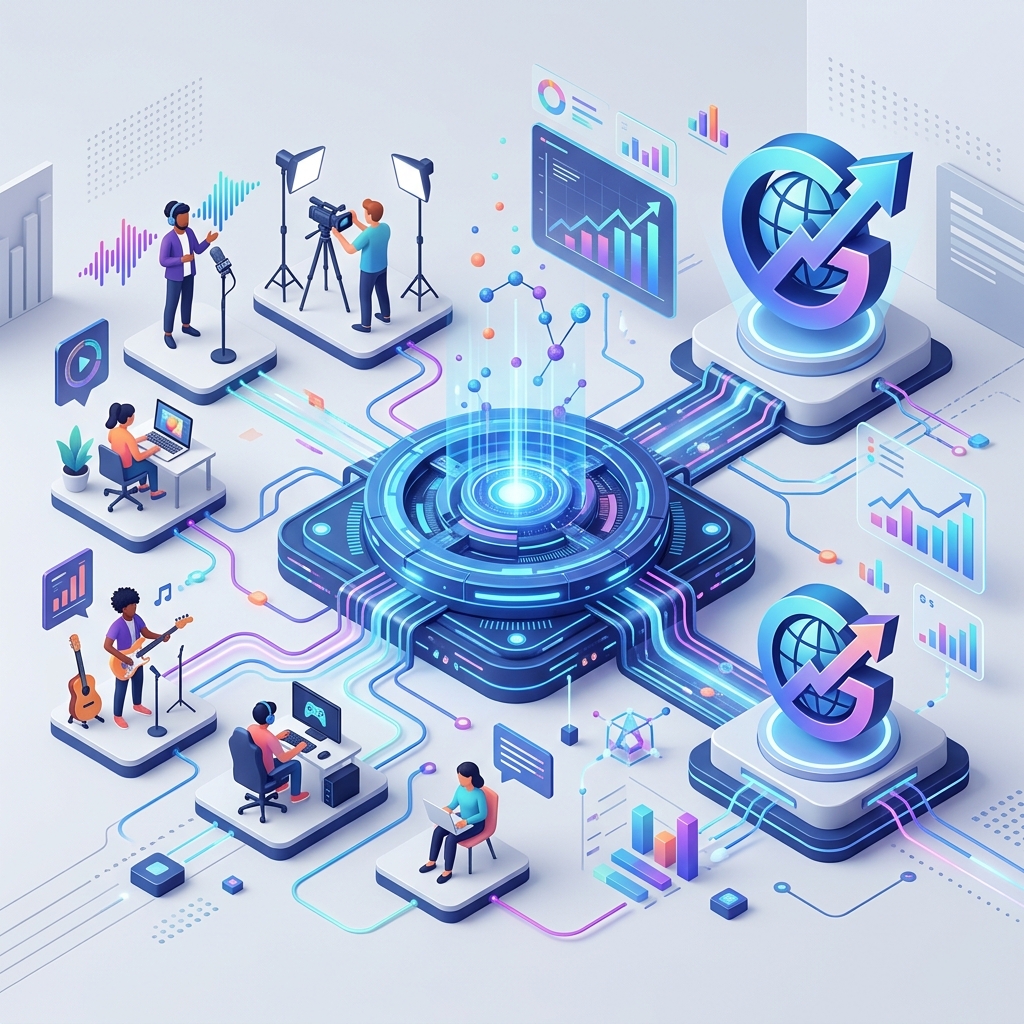
In 2026, the digital landscape has shifted dramatically, with consumer trust moving away from traditional corporate advertising and toward authentic, human-led storytelling. Recent industry data reveals that nearly 78% of marketing professionals now allocate a significant portion of their annual budget to creator-led campaigns. As the creator economy continues to mature, the role of an influencer marketing agency has become indispensable for brands aiming to bridge the gap between product utility and genuine consumer connection. Whether you are a global enterprise or an emerging startup, navigating the complex world of content creators, legal compliance, and performance metrics requires expert guidance.
Understanding the Role of an Influencer Marketing Agency
At its core, an influencer marketing agency acts as the strategic architect between a brand and the vast ecosystem of digital content creators. Unlike traditional marketing firms that focus solely on media buying or television spots, these agencies specialize in the nuanced dynamics of social media platforms. They possess the deep technical knowledge required to identify which creators align with a brand’s specific values, aesthetic, and audience demographics.
An agency does not merely facilitate a transaction; it curates a narrative. By leveraging proprietary software and data analytics, they can predict the potential reach and engagement rates of specific influencers. In 2026, data-driven decision-making is no longer an optional advantage—it is the baseline requirement. Agencies provide the necessary reporting tools to track Return on Ad Spend (ROAS) and ensure that every dollar invested in a campaign contributes to long-term brand equity.
Why Brands Need Specialized Expertise
The influencer landscape is fraught with challenges that can jeopardize a brand's reputation if not managed correctly. Issues such as fake followers, engagement fraud, and misalignment of brand safety guidelines are common pitfalls for companies trying to manage influencer campaigns in-house. A professional agency provides a safety net against these risks.
Expertise in legal compliance is perhaps the most critical benefit. As regulatory bodies across the globe tighten rules surrounding sponsored content, ensuring that every post contains the necessary disclosures is vital. An agency ensures that all partnerships adhere to the latest Federal Trade Commission guidelines and international advertising standards. This legal oversight protects brands from potential fines and public relations disasters. Furthermore, agencies have established relationships with top-tier creators, often securing better rates and more creative freedom for their clients than a brand could negotiate on its own.
The Process of Strategic Influencer Selection
Selecting the right partner is the most important step in the campaign lifecycle. Agencies move beyond vanity metrics like total follower count, focusing instead on audience sentiment and conversion capability. In 2026, the industry has seen a massive shift toward micro and nano-influencers. These creators, who typically have smaller but highly dedicated followings, often generate significantly higher engagement rates than mega-celebrities.
Agencies employ a multi-step vetting process. First, they conduct a deep audit of a creator’s audience to ensure authenticity. They look for consistent engagement patterns and verify that the creator’s previous content aligns with the brand’s messaging. Second, they evaluate the creator’s creative portfolio to ensure their visual style matches the campaign’s goals. Finally, they negotiate the terms of the partnership to ensure that both the creator and the brand benefit from the collaboration. This structured approach removes the guesswork, allowing brands to focus on their core business while the agency handles the logistics.
Maximizing Campaign Performance and ROI
Once a campaign is live, the work of an agency is far from over. Performance tracking is the pulse of any successful marketing initiative. Modern influencer marketing agencies use advanced attribution modeling to track how influencer content influences the entire customer journey. This means seeing beyond the immediate "like" or "share" to understand how many users actually visited a product page or completed a purchase after viewing a sponsored post.
Agencies often provide real-time dashboards that offer transparency into campaign performance. By analyzing these metrics, agencies can pivot quickly. If a specific type of video format or a particular creator is underperforming, the agency can reallocate resources to channels that are delivering better results. This agility is a hallmark of top-tier influencer management. They turn raw data into actionable insights, helping brands refine their messaging and improve their creative output for future campaigns.
The Future of Influencer Marketing in 2026
As we look toward the remainder of 2026, the integration of artificial intelligence and augmented reality is reshaping how influencers interact with their audiences. Virtual influencers, for instance, are becoming a significant part of the marketing mix. These computer-generated personas offer brands unprecedented control over their brand image while maintaining the engagement levels of human creators.
Moreover, the rise of social commerce—where users can purchase products directly within a social media app—is changing the way we view influencer marketing. It is no longer just about awareness; it is about seamless integration into the shopping experience. Agencies are at the forefront of this evolution, helping brands set up affiliate programs and shoppable tags that turn influencers into high-performing sales channels. The ability to adapt to these technological shifts is what separates a mediocre agency from a world-class partner.
How to Choose the Right Agency for Your Brand
Choosing the right partner is a major decision. Before signing a contract, brands should evaluate potential agencies on three main criteria: expertise, transparency, and technology. An agency should be able to demonstrate a clear track record of success in your specific industry. If you are in the beauty sector, look for an agency that understands the visual language of skincare and cosmetics. If you are in the tech space, look for one that specializes in simplifying complex product features for a general audience.
Transparency is equally important. A reputable agency will be open about their fee structure, their selection process, and their reporting methods. Avoid agencies that promise guaranteed results without a clear strategy. Finally, inquire about the technology they use. A sophisticated agency will have access to proprietary databases that provide insights into creator performance, audience demographics, and market trends. By asking these questions, you can ensure that your brand is in capable hands.
## What is an influencer marketing agency?
An influencer marketing agency is a professional firm that manages the relationship between brands and social media content creators. They handle everything from identifying and vetting influencers to negotiating contracts, managing campaign logistics, and reporting on performance metrics. Their primary goal is to help brands reach their target audience through authentic, creator-led content.
## Why should a brand hire an agency instead of doing it in-house?
Managing influencer campaigns in-house requires significant time, specialized software, and deep industry knowledge. Agencies provide expertise in legal compliance, access to exclusive creator networks, and advanced data analytics that most companies cannot replicate internally. They help mitigate the risks of fraud and ensure that the brand’s budget is used as effectively as possible.
## How do agencies measure the success of a campaign?
Agencies use a variety of key performance indicators (KPIs) depending on the campaign goals. Common metrics include reach, impressions, engagement rates, click-through rates, and conversion rates. In 2026, many agencies also focus on attribution modeling to see how influencer content contributes to actual sales and long-term customer lifetime value.
## What is the difference between macro and micro-influencers?
Macro-influencers have large followings, often in the millions, and are ideal for broad brand awareness campaigns. Micro-influencers typically have smaller, more niche followings, often ranging from 10,000 to 100,000 followers. Micro-influencers often boast much higher engagement rates and are considered more trustworthy by their followers, making them highly effective for conversion-focused campaigns.
## How do agencies ensure brand safety?
Brand safety is a top priority for professional agencies. They conduct rigorous audits on every creator they work with to ensure their past content is free from controversies or behavior that could harm the brand's reputation. They also set strict creative guidelines and review every piece of content before it is published to ensure it aligns with the brand’s values.
## What are the costs associated with hiring an influencer marketing agency?
Costs vary widely based on the scope of the campaign, the size of the agency, and the services provided. Most agencies use a combination of management fees (a percentage of the total budget) and retainer models. It is important to discuss budget expectations early in the discovery process to ensure that the agency’s services align with your brand’s financial goals.
Conclusion
The evolution of influencer marketing has transformed it from a experimental tactic into a cornerstone of modern digital strategy. As we navigate through 2026, the power of human connection in marketing remains unmatched. By partnering with a professional influencer marketing agency, brands can effectively navigate the complexities of the creator economy, mitigate risks, and scale their reach with precision. Whether your goal is to launch a new product, increase brand awareness, or drive direct sales, the right agency provides the strategic clarity and technical execution needed to succeed. As the digital landscape continues to evolve, those who embrace expert collaboration will be the ones that define the future of their industries. By focusing on authentic relationships and data-backed strategies, your brand can harness the full potential of influencer marketing to build lasting, meaningful connections with your audience.